Gallery Submission Readiness Checker
Submission Requirements
Select all items that currently apply to your portfolio status.
Readiness Score
Current Status:
Complete the checklist to see your readiness analysis.
Recommended Gallery Tiers
- Complete checklist to view recommendations.
Walking into a white-walled space and seeing your work hanging under proper lighting is a dream for most artists. But getting there isn't about luck; it’s about strategy. Galleries are businesses, not just charitable showcases. They need to sell art to cover their costs and make a profit. If you understand how they operate, you can position yourself as a valuable partner rather than just another applicant with a stack of postcards.
The path from studio to gallery wall involves building a professional presence, identifying the right venues, and mastering the art of the pitch. It requires patience, resilience, and a clear understanding of what curators are looking for. This guide breaks down the process into actionable steps, helping you navigate the competitive world of art exhibitions with confidence.
Building a Cohesive Body of Work
Before you send a single email, you need a body of work that speaks clearly. Curators don’t look for individual pretty pictures; they look for an artist with a voice. Your portfolio should demonstrate consistency in theme, style, or concept. If you paint landscapes one week and abstract expressionism the next, a gallery will struggle to categorize you. Categorization matters because galleries often have a specific aesthetic or demographic they serve.
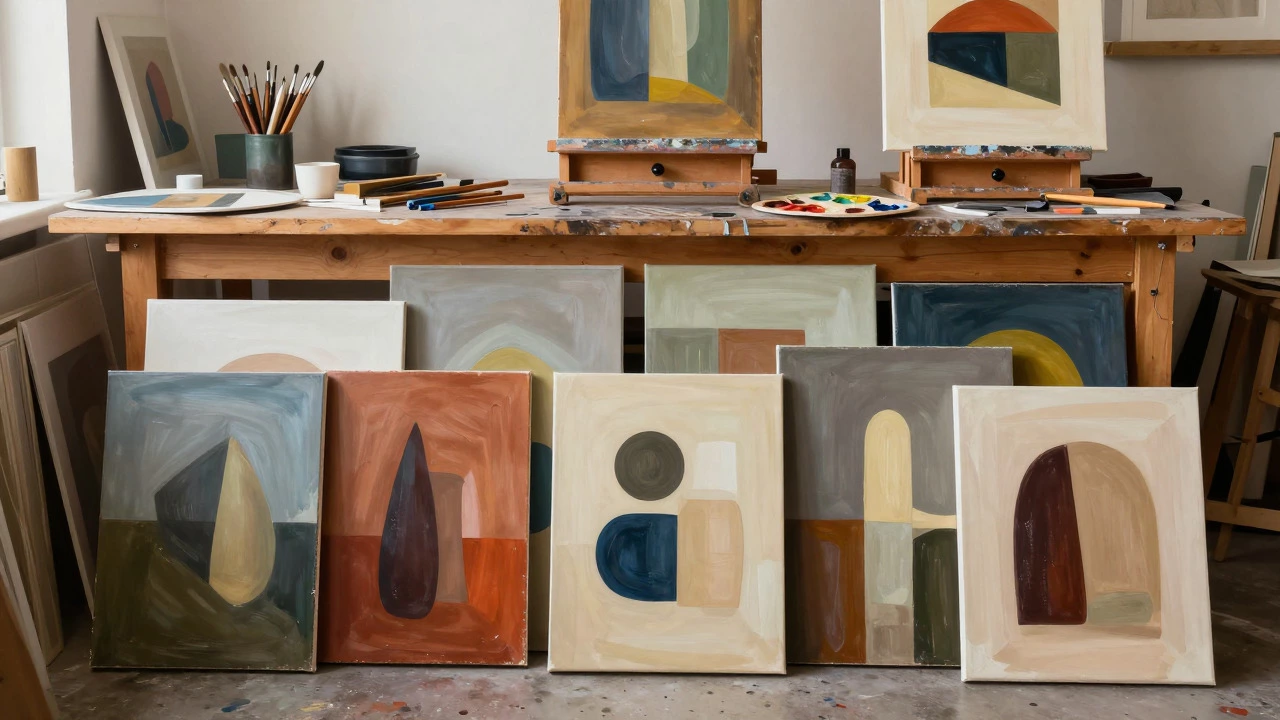
Select your best 10 to 15 pieces. These should be your strongest works, technically proficient and conceptually strong. Remove anything that feels experimental or unfinished unless the experiment is the point of the series. Consistency builds trust. When a curator sees ten paintings that all feel like they belong together, they see a brand they can market. Think of your portfolio as a visual resume. It needs to answer the question: Who are you as an artist?
Consider the physical quality of the work. Are the canvases stretched correctly? Is the framing appropriate? For digital artists, this means high-resolution files and perhaps prints on archival paper. The presentation tells the curator whether you take your career seriously. Sloppy presentation suggests sloppy professionalism.
Creating Professional Documentation
You cannot show every piece of your art to every person. You need high-quality images that do the talking when you aren't in the room. Hire a professional photographer if possible. Smartphone photos often suffer from glare, poor lighting, and distortion. A flat-lay shot of a painting or a well-lit photo of a sculpture allows the curator to assess the work accurately.
Create a digital portfolio website. This is your home base. It should include your bio, your portfolio images, and contact information. Keep the design clean and minimal so the art stands out. Use platforms like Squarespace, Wix, or Format if you want ease of use, or build a custom site if you have technical skills. Ensure the site is mobile-friendly, as many curators browse on phones during commutes or meetings.
Alongside the website, prepare a PDF portfolio. This should be no more than 5MB in size. Include 5 to 8 images of your best work, a brief artist statement (150 words max), and your CV. The CV should list past exhibitions, education, awards, and residencies. Even if you haven't had many shows, list local open studios or community center displays. It shows activity and engagement.
| Component | Requirements | Common Mistakes |
|---|---|---|
| Digital Images | High resolution, neutral background, accurate color | Glare, shadows, low resolution, cropped edges |
| Artist Statement | Clear, concise, explains your practice | Jargon-heavy, overly emotional, too long |
| CV/Resume | Chronological, factual, includes exhibitions | Lying about shows, including irrelevant jobs |
| Contact Info | Professional email, phone number, website link | Personal email addresses (e.g., [email protected]) |

Identifying the Right Galleries
Not every gallery is right for you. Sending your landscape paintings to a gallery known for hyper-realistic portraits is a waste of time. Research is crucial. Visit galleries in person. Look at who they represent. Do their current artists share a similar style or price point with yours? Check their website's "Artists" page. Read their mission statement. Some galleries focus on emerging local talent, while others specialize in international contemporary art.
Categorize galleries into three tiers:
- Tier 1: Major commercial galleries. Hard to get into, usually require representation or significant fame.
- Tier 2: Mid-level commercial galleries. Open to emerging artists but expect sales potential.
- Tier 3: Non-profit spaces, artist-run centers, and small local galleries. Great for starting out, building reputation, and networking.
Understanding Submission Guidelines
Galleries receive hundreds of submissions. Many have strict guidelines. Ignore them at your peril. Some ask for an email with links only. Others request a physical portfolio drop-off. Some use online platforms like Saatchi Art or Artsy. Follow the instructions exactly. If they say "no attachments," don't attach a PDF. If they say "submit via email," don't call them.
Timing matters. Most galleries plan exhibitions 6 to 12 months in advance. Submitting in January or February for a fall show is strategic. Avoid submitting during major art fairs or holidays when curators are overwhelmed. Check the gallery's social media. If they just posted about an upcoming show, wait until after that opens before pitching your own idea.
Prepare a compelling subject line for emails. "Art Submission - [Your Name]" is okay, but "Emerging Painter Seeking Representation - [Your Name]" is better. Be specific. In the body of the email, introduce yourself briefly. State your medium and location. Provide a link to your full portfolio. Attach the required PDF if allowed. Keep it short. Curators are busy. Respect their time.
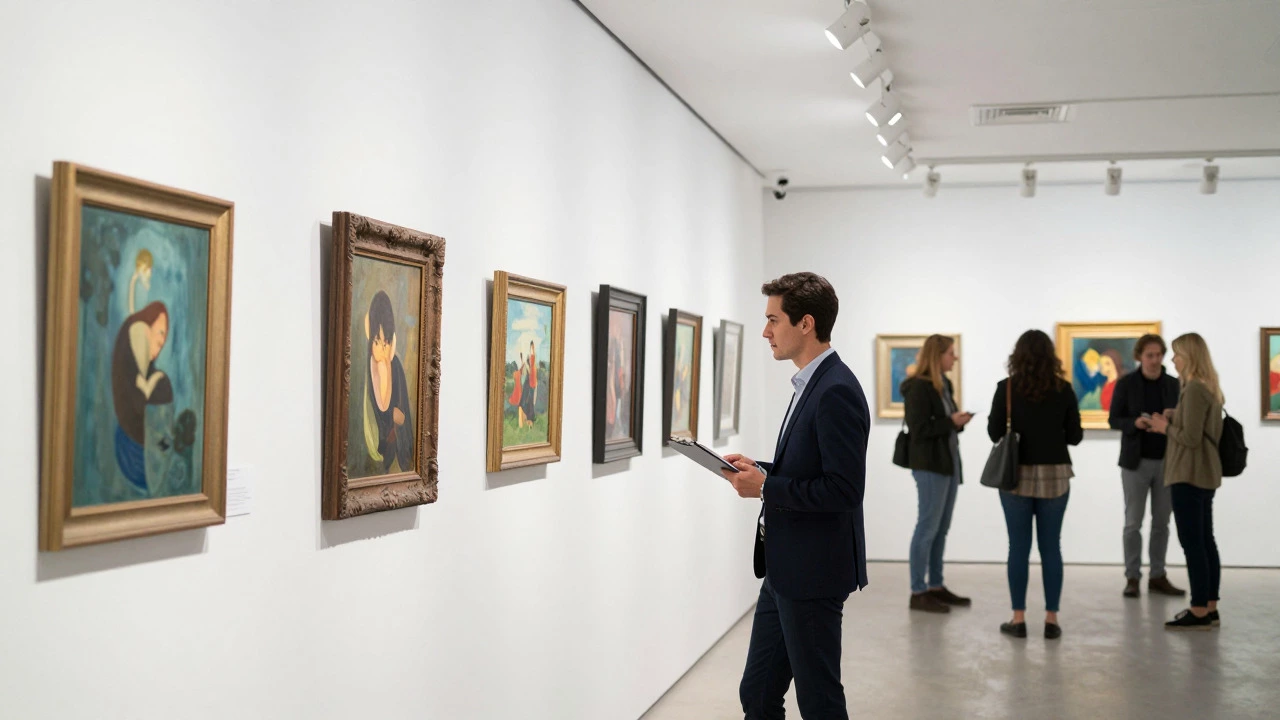
The Pitch and Follow-Up
Your initial contact is just the start. If you don't hear back within two weeks, it's acceptable to send a polite follow-up email. Reiterate your interest and offer to bring in work for viewing. Sometimes, curators miss emails. A gentle nudge shows persistence without being annoying. However, if they explicitly say "no thank you," accept it gracefully. Burn bridges slowly.
If a gallery invites you to meet, prepare thoroughly. Bring your work if possible. Dress professionally. Be ready to discuss your artistic process, influences, and future plans. Ask questions about their programming and goals. Show that you've done your homework. This meeting is an interview both ways. You are assessing if they are the right partner for your career.
Networking is equally important. Attend openings. Talk to other artists. Introduce yourself to gallerists. Build relationships over time. The art world is small. Word spreads fast. Being known as a friendly, professional artist can lead to opportunities just as much as your talent does.
Alternative Paths to Exhibition
Traditional galleries aren't the only option. Consider group shows organized by arts councils or community organizations. These are easier to enter and provide exposure. Online platforms like Saatchi Art, Artsy, and Etsy allow you to reach global collectors directly. While these aren't traditional gallery representations, they validate your work and generate income.
Apply for artist residencies. Residencies often culminate in an exhibition. They also provide time to create new work and connect with peers. Grants and awards can boost your credibility. Winning a grant makes you more attractive to galleries because it signals peer recognition.
Self-organize exhibitions. Rent a space in a coffee shop, bookstore, or vacant storefront. Handle the marketing yourself. Invite local press. This demonstrates initiative and business acumen. Galleries notice artists who can drive their own audience. It shows you are a partner who brings value, not just a creator who needs saving.
How much does it cost to exhibit in a gallery?
Most reputable commercial galleries do not charge artists to exhibit. They make money through commissions on sales, typically ranging from 40% to 60%. Be wary of galleries that ask for upfront fees for curation, marketing, or listing. These are often scams. Non-profit spaces may charge a small fee for materials or insurance, but this should be transparent.
What is the difference between a solo and group show?
A solo show features only your work, giving you full attention and branding control. It is harder to achieve early in your career. A group show features multiple artists, often around a theme. It is easier to get into and helps you network with other artists and collectors. Start with group shows to build your resume.
Should I hire an agent to find gallery representation?
Generally, no. Most agents charge high fees and deliver little value for emerging artists. Galleries prefer to discover artists directly or through recommendations. Focus on building your own network and portfolio. An agent might help later in your career when you have established demand, but it is rarely necessary at the start.
How do I price my art for gallery representation?
Pricing should be consistent based on size, medium, and experience. A common formula is $4 per square inch for emerging artists, adjusted for complexity. Research prices of similar artists in your area. Once priced, avoid frequent changes. Galleries need stable pricing to manage collector expectations. Document your pricing logic clearly.
What happens if my art doesn't sell?
It is normal for not everything to sell. Galleries understand this. Discuss terms beforehand regarding unsold work. Typically, you retrieve your art after the exhibition ends. Use the exposure to build your mailing list and social media following. Sales are not the only metric of success; visibility and connections matter too.