Art Exhibition Profitability Simulator
Most exhibitions lose money directly. Use this tool to simulate how different revenue streams (sales, sponsorships, tickets) and costs affect the bottom line.
Enter values and click calculate to see the breakdown.
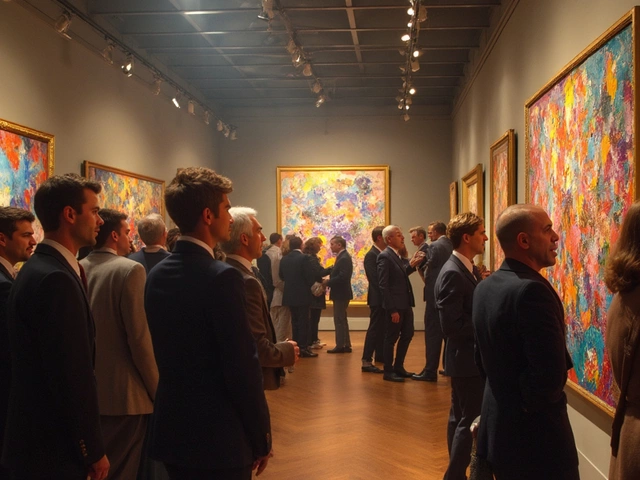
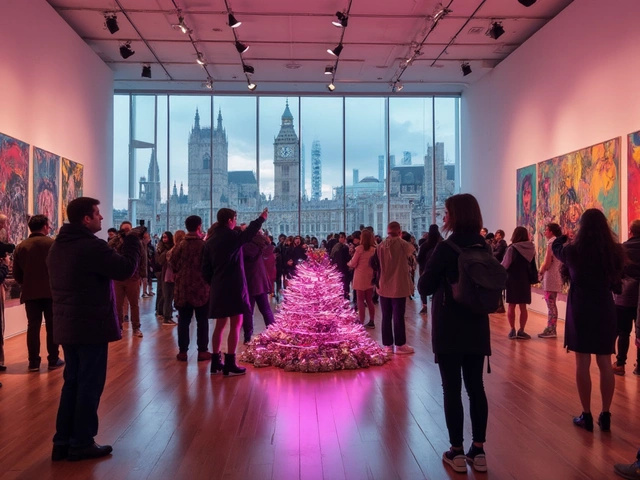
You walk into a massive contemporary art show. The lights are dimmed just right, the air conditioning hums quietly, and there’s a piece on the wall with a small white card that reads $45,000. You wonder: who paid for this space? Who is making money here? Is it the artist? The curator? The building owner? Or is this all just an expensive hobby funded by rich people?
The truth is messier and more interesting than "rich people pay." Most exhibitions lose money directly. Yes, you read that right. A significant portion of gallery shows operate at a net loss in terms of direct cash flow during the opening week. So why do they exist? Because money flows through art exhibitions in ways that aren't always visible on a price tag. It’s about long-term asset value, brand equity, institutional grants, and secondary market leverage.
Art Exhibition is a curated presentation of artworks to the public, serving as a primary mechanism for establishing cultural capital and financial value within the visual arts ecosystem. Unlike retail stores, exhibitions function less as point-of-sale venues and more as marketing engines for artists and institutions.
The Direct Sales Model: Not What You Think
Let’s start with the obvious one: selling the art. If you buy a painting at a commercial gallery, the money usually splits between the artist and the gallery. A standard split is 50/50, though top-tier galleries might take 30-40% while emerging artists accept 60/40 or even higher commissions to get exposure. But here’s the catch: most exhibitions don’t sell everything. In fact, many sell nothing at all during the run.
So if sales are low, where does the cash come from? For commercial galleries, the exhibition is an investment. They spend money on framing, insurance, shipping, installation, and marketing (often $10,000-$50,000 per show). They recoup this not just from the current sale, but from future sales of that artist’s work. Once an artist has a solo show at a reputable gallery, their prices often jump 20-50% for subsequent works. The exhibition builds the artist’s resume, which drives up their market value over time.
Museums and Non-Profits: The Grant Game
If you’re visiting a museum like the Vancouver Art Gallery or the MoMA in New York, the math changes completely. These institutions rarely rely on ticket sales alone to cover costs. Ticket prices might cover 10-20% of operating expenses. The rest comes from a mix of government grants, private donations, endowment returns, and corporate sponsorships.
Think of a museum exhibition as a product sold to donors and governments. When a museum secures a blockbuster show-say, a retrospective of a famous modernist-they can charge higher admission fees. Special exhibitions often have separate tickets ($25-$40) compared to general admission ($15-$20). This tiered pricing is crucial. General visitors subsidize the special shows, while tourists specifically seeking the big name drive the premium revenue.
Government grants are another huge pillar. In Canada, bodies like the Canada Council for the Arts provide funding based on artistic merit and community impact. Museums must prove they are educating the public and preserving culture to keep these funds flowing. An exhibition isn’t just art; it’s a receipt for tax-deductible donations. Wealthy patrons donate millions because they want their name on a wing or a specific exhibit, gaining social status in return.
Corporate Sponsorships and Brand Partnerships
Have you ever noticed a luxury car parked in the lobby of a high-end gallery? Or a champagne brand sponsoring an opening night? That’s not free advertising. Corporations pay hefty sums to associate their brand with the prestige of art. This is known as brand alignment.
A bank might sponsor a major sculpture exhibition for $100,000. Why? Because the bank wants to appear sophisticated and culturally engaged to its high-net-worth clients. The exhibition provides content for their marketing materials, VIP access for their top customers, and positive press coverage. For the gallery, this sponsorship covers overheads like rent and staff salaries, meaning they don’t need to sell as much art to break even.
| Revenue Source | Typical Contributor | Percentage of Total Income (Est.) | Primary Goal |
|---|---|---|---|
| Artwork Sales | Collectors & Investors | 40-60% (Commercial) | Direct Profit & Artist Career Growth |
| Ticket Sales | General Public & Tourists | 10-20% (Museums) | Accessibility & Foot Traffic |
| Grants & Donations | Govt, Foundations, Patrons | 50-70% (Non-Profit) | Institutional Stability & Prestige |
| Sponsorships | Corporations | 10-30% | Brand Visibility & Event Costs |
| Retail & Merch | Visitors | 5-15% | Low-Cost Engagement |
The Gift Shop: The Unsung Hero
Never underestimate the power of the gift shop. For many museums, retail sales generate more reliable income than ticket sales. People might hesitate to drop $2,000 on a print, but they won’t think twice about buying a $25 tote bag featuring a famous Van Gogh brushstroke or a $10 postcard set.
Merchandising turns ephemeral experiences into tangible products. A well-curated store sells catalogs, books, jewelry, home decor, and stationery inspired by the exhibition. Margins on these items are high. A catalog costing $5 to print sells for $35. Multiply that by thousands of visitors, and you see why museums invest heavily in beautiful, exclusive merchandise. It’s low-risk revenue that doesn’t depend on the volatile art market.
Art Fairs: Where Speed Meets Volume
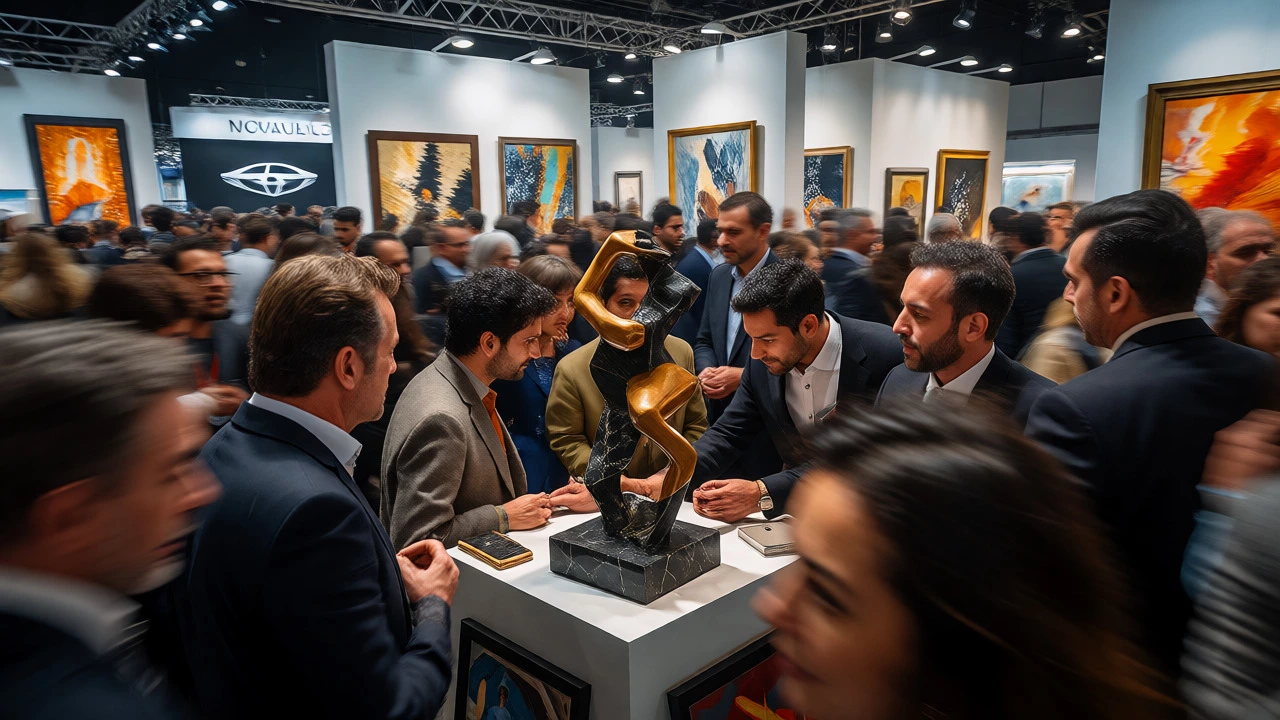
Different rules apply at art fairs like Art Basel or the Vancouver Art Fair. Here, the goal is volume and networking. Galleries pay exorbitant booth fees-sometimes $50,000 to $100,000+ for a prime spot. To make money, they need to sell quickly. The entire event lasts only four days.
At art fairs, collectors buy multiple pieces across different booths. The money comes from rapid transactions rather than long-term relationship building. However, the risk is high. If a gallery spends $80,000 on a booth and only sells $60,000 worth of art, they lose money. They hope the exposure leads to future sales back at their home studio. It’s a high-stakes gamble where visibility is the currency.
Indirect Value: Education and Community Impact
Some exhibitions never aim to be profitable in cash terms. University galleries, community centers, and municipal spaces host shows to fulfill educational mandates. Their "money" comes in the form of continued funding from universities or city councils. If a university gallery fails to attract students or engage the community, its budget gets cut next year.
These spaces also serve as incubators. Many successful artists started in low-budget, non-profit exhibitions. The institution takes no commission, helping the artist build a portfolio without the pressure of immediate sales. This ecosystem feeds the broader market, creating a pipeline of talent that commercial galleries eventually monetize.
Hidden Costs That Eat Profits
Before you assume galleries are printing money, look at the expenses. Insurance is brutal. Shipping a single large sculpture internationally can cost $5,000-$15,000. Installation requires specialized labor. Marketing campaigns for digital ads, PR agencies, and physical invitations add up fast. Rent in cities like Vancouver, New York, or London is astronomical.
Many galleries survive because the owners have other income sources or wealthy backers. They treat the gallery as a passion project subsidized by personal wealth or external business interests. The "profit" is often deferred until an artist becomes famous, at which point the gallery reaps decades of rewards from early investments.
How Artists Actually Get Paid
It’s vital to distinguish between the venue’s revenue and the artist’s income. Artists rarely receive payment for exhibiting. In fact, they often pay out of pocket for framing, transport, and even refreshments at the opening. Their return on investment is career advancement.
However, when a sale happens, the artist gets their share immediately. Some artists negotiate consignment deals where they retain ownership until a buyer pays, reducing risk. Others use exhibitions to launch limited-edition prints, which offer lower price points ($100-$500) and higher sales volume, providing steady cash flow alongside high-ticket original works.
Do art exhibitions always make a profit?
No, many exhibitions operate at a loss, especially in non-profit sectors. Commercial galleries may break even or lose money initially, betting on future artist value appreciation. Profitability depends on sales volume, sponsorship support, and institutional backing rather than just ticket sales.
Who pays for museum exhibitions?
Museum exhibitions are funded through a combination of government grants, private donor contributions, corporate sponsorships, and earned income from tickets and retail. Blockbuster shows often rely on specific loans from other institutions, sometimes involving complex financial agreements regarding insurance and transport.
How much do galleries take from art sales?
Standard commission rates range from 30% to 50%. Emerging artists might give up 50% or more for representation, while established stars with strong market demand can negotiate down to 20-30%. Additional costs like framing and shipping may be deducted before the split.
Why do corporations sponsor art shows?
Corporations seek brand association with culture, sophistication, and exclusivity. Sponsoring allows them to network with high-net-worth individuals, gain media coverage, and demonstrate corporate social responsibility. It’s a marketing expense that targets affluent demographics effectively.
Is merchandising important for art venues?
Yes, highly. Retail sales provide stable, low-risk income streams. Items like catalogs, prints, and accessories allow visitors to participate in the experience financially without committing to high-priced original artworks, significantly boosting overall venue revenue.