Fine Art Photography Income Simulator
Enter your estimated annual activity to see if you can make a living from fine art photography. This tool accounts for production costs, marketing, and equipment depreciation.
Your Annual Activity
Business Costs & Structure
Estimated Financials
NET ANNUAL INCOME
Expense Breakdown
Here is the uncomfortable truth about fine art photography: it is a brutally competitive field where the median annual income often hovers around $30,000 to $40,000, but the top 1% of photographers earn six figures or more. If you are asking whether you can quit your day job tomorrow because you have a great eye and a decent camera, the answer is almost certainly no. But if you are asking whether it is possible to build a sustainable career that pays the bills while letting you create work you love, the answer is yes-but only if you treat your art like a business from day one.
The Reality Check: Median vs. Top Earners
Most people imagine fine art photographers as jet-setting celebrities who sell single prints for thousands of dollars. While that lifestyle exists, it represents a tiny fraction of the industry. According to data from the Bureau of Labor Statistics (BLS) regarding self-employed photographers, the median pay fluctuates significantly based on location and niche. In major hubs like New York City, London, or Vancouver, costs are higher, but so are the potential sales prices. However, in smaller markets, the ceiling drops drastically.
Why the huge gap? It comes down to volume versus value. A wedding photographer might shoot 50 weddings a year at $3,000 each, generating $150,000 gross revenue. That is commercial work. A fine art photographer might sell ten limited-edition prints a year at $500 each, plus a few original works at $2,000. That is $15,000 gross revenue. To make a living, fine art photographers usually need multiple income streams, not just print sales.
| Career Stage | Primary Income Sources | Estimated Annual Gross Revenue (USD) | Typical Hours Worked |
|---|---|---|---|
| Emerging Artist | Prints, small grants, side jobs | $15,000 - $35,000 | 60+ hours (including non-photography work) |
| Established Artist | Gallery commissions, corporate licensing, workshops | $50,000 - $85,000 | 50 hours |
| Top Tier / Celebrity | Auction sales, brand partnerships, book deals | $150,000+ | Variable (often managed by agents) |
Where the Money Actually Comes From
If you rely solely on selling prints online, you will likely starve. The math rarely works out unless you have massive traffic or extremely high price points. Successful fine art photographers diversify. Here is how the money actually flows into their bank accounts:
- Limited Edition Prints: This is the bread and butter. Selling signed, numbered prints allows artists to reach buyers who cannot afford originals. A common strategy is offering three tiers: small editions (higher price), medium editions (mid-price), and open editions (lower price). Prices typically range from $100 for a small A4 print to $2,000+ for a large-format archival piece.
- Original Works: These command the highest prices but sell less frequently. Collectors buy these for investment purposes. Once an artist has a proven track record of exhibitions, original prices can jump from $500 to $5,000 overnight.
- Licensing and Stock: Many fine art photographers license their images to magazines, advertising agencies, or stock photo sites. While stock sites pay pennies per download, exclusive licensing contracts with brands like Apple or National Geographic can pay thousands for a single image usage right.
- Workshops and Education: Teaching is a massive revenue stream. Leading a weekend workshop in Iceland or Japan can net $5,000-$10,000 in profit after expenses. Platforms like MasterClass or local community colleges also offer steady teaching gigs.
- Commissions: Sometimes, wealthy clients want a specific piece created for their home or office. These private commissions bridge the gap between commercial work and fine art, often paying well because the client is buying exclusivity.
The Gallery Model: Partner or Parasite?
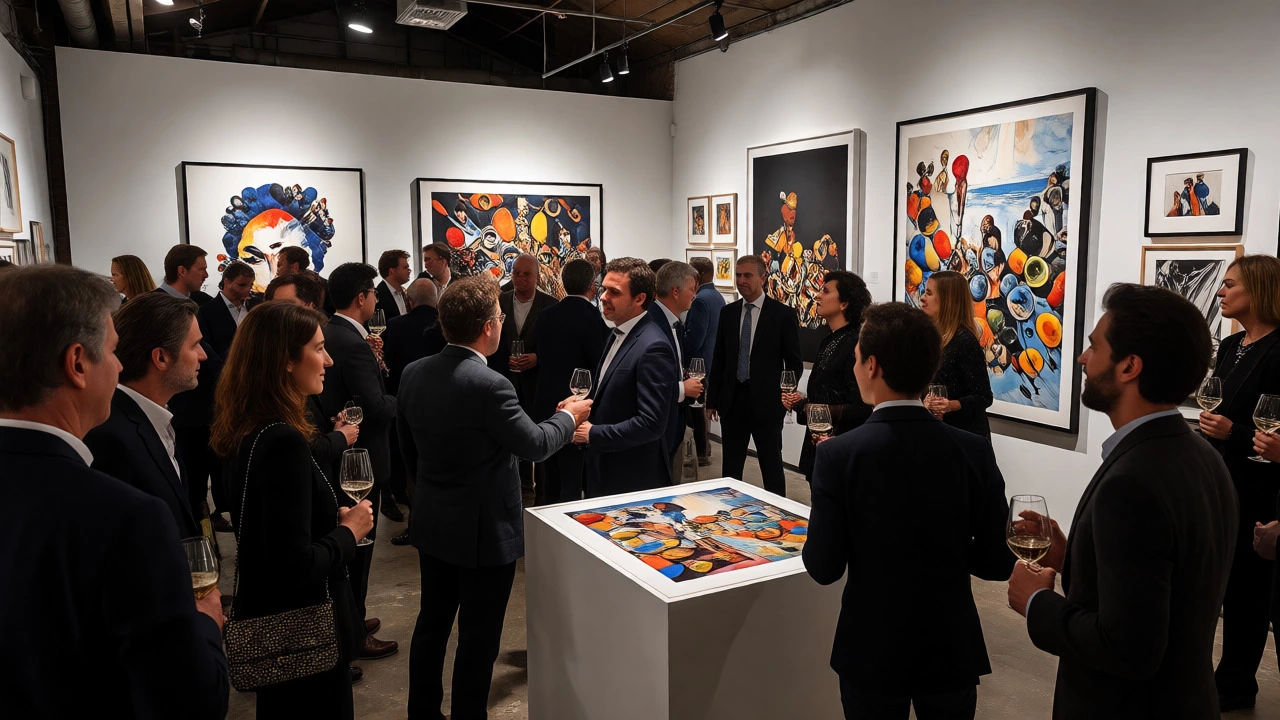
Getting into a gallery is the holy grail for many photographers. It provides prestige, access to collectors, and marketing muscle. But it comes at a steep cost. Standard gallery commissions range from 40% to 50%. If you sell a $1,000 print, you keep $500-$600. The gallery keeps the rest to cover rent, staff, opening nights, and insurance.
Is it worth it? For emerging artists, yes. You need the visibility. Galleries introduce you to collectors you would never meet otherwise. However, be wary of "pay-to-play" galleries that charge upfront fees for exhibition space. Legitimate galleries invest in you; they don't ask you to pay them to hang your work. Always read the contract carefully. Look for clauses regarding exclusivity. If a gallery demands exclusive rights to sell your work in your city, ensure they are actively promoting you. If they aren't selling, you're locked out of other opportunities.
Digital Sales: The Myth of Passive Income
Many beginners think setting up a Shopify store or an Etsy shop means passive income. It isn't. Digital sales require constant marketing. You are competing with millions of images on Instagram and Pinterest. To succeed in direct-to-consumer sales, you need two things: a distinct visual style that is instantly recognizable, and a strong email list.
Instagram helps with discovery, but algorithms change. Email lists are owned assets. When you launch a new series, sending an email to 5,000 engaged subscribers who trust your taste converts far better than posting a story to 50,000 followers who scroll past. Tools like Mailchimp or ConvertKit are essential. If you don't have an email list, you don't have a business; you have a hobby with a website.
Costs You Must Account For
Revenue is not profit. Before you calculate your hourly wage, subtract the hidden costs of being a fine art photographer. These expenses eat into margins faster than most expect:
- Equipment Depreciation: Cameras, lenses, and computers become obsolete every 3-5 years. Budgeting $2,000 annually for gear replacement is realistic for professionals.
- Printing and Framing: Archival printing is expensive. A 20x30 inch museum-quality print might cost $50-$80 to produce. If you frame it, add another $100-$300 depending on the glass and wood quality. Shipping fragile framed art is also costly and risky.
- Marketing and Website: Domain hosting, website maintenance, paid social media ads, and PR services add up. Expect to spend $100-$300 monthly on digital presence.
- Time: This is the biggest cost. Editing, culling, writing descriptions, packing boxes, and answering emails take time away from shooting. If you spend 10 hours editing for a sale that nets $200 profit, your hourly rate is $20.
How to Increase Your Odds of Success
So, how do you move from the struggling median to the profitable top tier? It’s not just about taking better pictures. It’s about strategic positioning.
First, find a niche. "Landscape photography" is too broad. "Coastal landscapes of the Pacific Northwest shot with infrared film" is a niche. Specificity makes you memorable. Collectors buy stories, not just images. Why did you take this photo? What does it mean? Articulate this clearly on your website.
Second, network relentlessly. Attend gallery openings, even if you don’t know anyone. Talk to curators, other artists, and collectors. Most sales happen through relationships, not cold clicks. Join professional organizations like the Professional Photographers of America (PPA) or local arts councils to gain credibility and access to grants.
Third, leverage grants and residencies. These provide non-dilutive funding-money you don’t have to pay back. Grants from institutions like the Canada Council for the Arts or the Guggenheim Foundation can fund projects for months, allowing you to focus purely on creation without worrying about immediate sales.
Is It Worth It?
Do fine art photographers make money? Yes, but rarely quickly. It is a marathon, not a sprint. Most successful fine art photographers maintain a hybrid career model, blending commercial work (like headshots or real estate) with their personal art practice for the first five to ten years. This funds their artistic growth until their reputation catches up with their talent.
If you crave financial stability above all else, fine art photography might frustrate you. But if you are willing to wear the hats of marketer, accountant, and salesman alongside being an artist, you can build a life that is both financially viable and creatively fulfilling. The key is to stop waiting for permission and start treating your art as a product that needs packaging, pricing, and promotion.
What is the average salary of a fine art photographer?
The average salary varies widely, but the median annual income for self-employed photographers in North America typically ranges between $30,000 and $50,000. However, this figure includes part-time workers and those with secondary incomes. Full-time, established fine art photographers with a strong collector base can earn $75,000 to $100,000+, while top-tier names exceed $200,000 annually.
How much should I charge for my fine art prints?
Pricing depends on edition size, print quality, and your reputation. A common formula is: (Material Cost + Hourly Wage x Time Spent) x 2. For emerging artists, small prints ($100-$300) and large prints ($500-$1,500) are standard. Never underprice your work; low prices signal low value to collectors. As demand grows, increase prices gradually rather than making sudden jumps.
Do I need a gallery to make money as a photographer?
No, but it helps significantly. Galleries provide access to serious collectors and handle logistics, but they take 40-50% commission. Many photographers successfully sell directly via websites, Instagram, and art fairs, keeping 100% of the profit but handling all marketing and shipping themselves. A hybrid approach-using galleries for prestige and direct sales for cash flow-is often the most effective strategy.
Can you live off stock photography alone?
It is very difficult to live off stock photography alone unless you have a portfolio of tens of thousands of images. Stock sites pay fractions of a cent per download. To earn $50,000 a year, you might need millions of downloads. Most photographers use stock as a supplemental income source, earning a few hundred to a few thousand dollars a month, rather than a primary livelihood.
How long does it take to become a profitable fine art photographer?
On average, it takes 3 to 5 years of consistent effort to build a reputation and collector base sufficient to generate a full-time income. During this period, most photographers supplement their income with commercial work or teaching. Success accelerates if you actively network, apply for awards, and publish your work in reputable magazines or books.