Mar 31, 2025
How to Start Your Art Show Journey
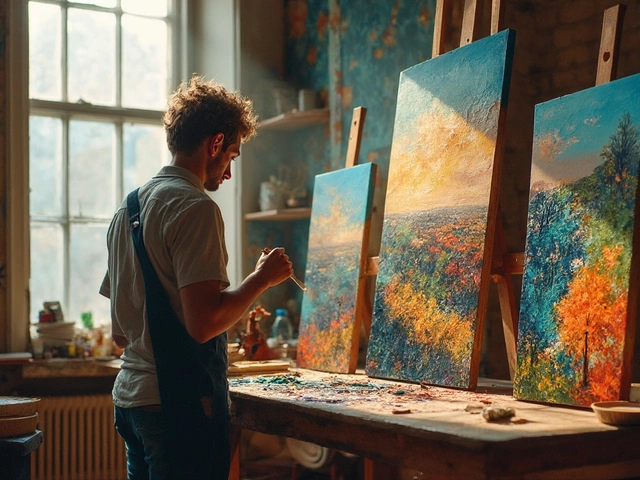
When you pick up a brush and start working with oil painting techniques, the traditional method of applying pigment mixed with drying oil to canvas or wood. Also known as oil on canvas, it’s one of the most enduring ways artists capture light, texture, and emotion. Unlike watercolor or digital art, oil lets you work slowly. You can push paint around for days, build layers, and fix mistakes without rushing. That’s why it’s still the go-to for artists who want depth, richness, and control.
What makes oil painting different isn’t just the paint—it’s how you use it. The layering technique, applying thin washes over thicker ones to create glow and dimension is key. Think of it like building a cake: each layer adds flavor and structure. Then there’s blending, smoothing transitions between colors while the paint is still wet, which gives skin, skies, and water their natural flow. And don’t forget impasto, thick, textured strokes that catch light and add physical depth. Van Gogh used this to make his stars feel alive. He didn’t just paint blue and yellow—he made them vibrate.
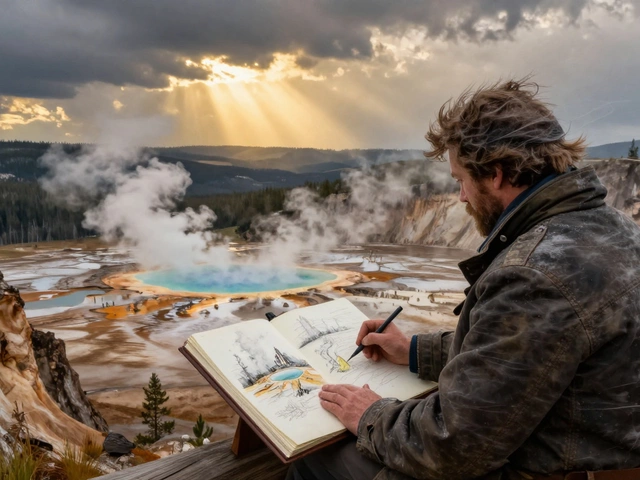
You don’t need fancy tools to start. A few brushes, some linseed oil, and a single subject—like an apple, as one artist found—are enough to learn how light hits form. The real skill isn’t in having the best palette, but knowing when to stop. Too much detail kills the feeling. Good oil painting feels alive because it holds space for the viewer’s eye to wander. That’s why so many posts here focus on landscapes: they’re the perfect training ground. You learn foreground, middle ground, and background not as rules, but as tools to guide the eye. You learn how atmospheric perspective makes distant hills fade, and how value—not color—creates realism.
Some people think oil painting is old-fashioned. But it’s not. Artists today use it to make digital art feel human, to contrast with AI-generated images, or to slow down in a fast world. Whether you’re painting a quiet field in Pembrokeshire or a bold abstract shape, oil gives you time to think, feel, and change your mind. And that’s the real magic.
Below, you’ll find real guides from artists who’ve been there—how to mix colors like Van Gogh, how to paint a landscape without overworking it, and why the easiest thing to start with isn’t a mountain, but a single apple. No fluff. Just what works.
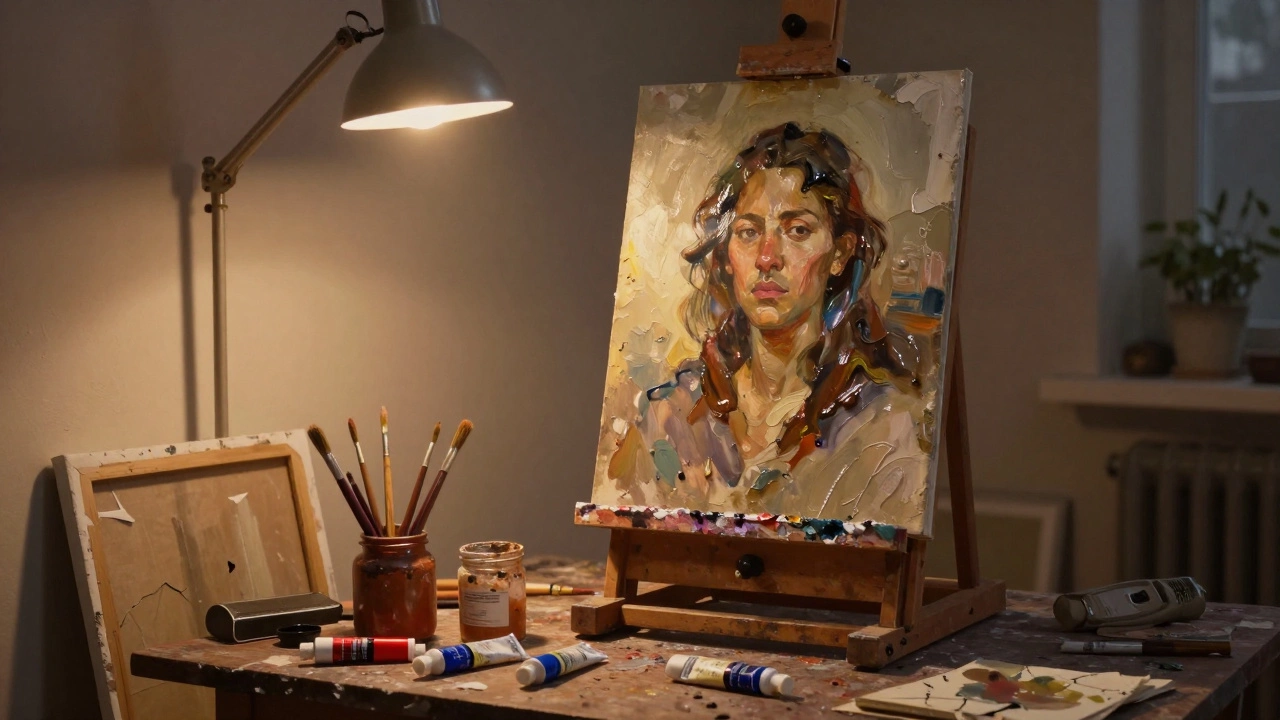
Oil painting is difficult because of its slow drying time, unforgiving blending, complex color mixing, and demanding technique. It requires patience, proper materials, and deep understanding-not just skill.