Mar 2, 2025
Mastering the Three Essentials of Watercolor Painting
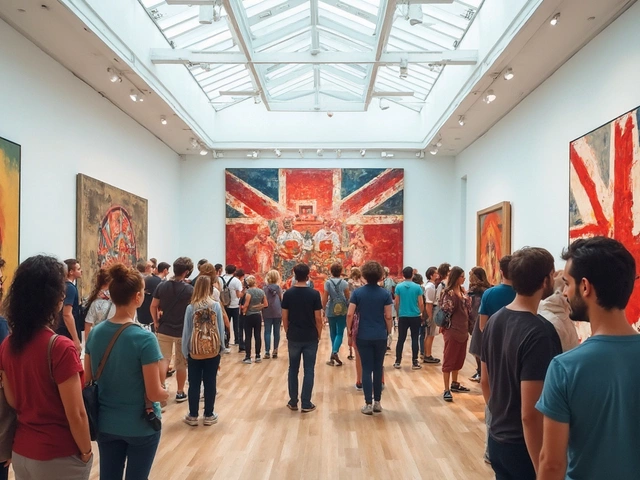
A gallery wall, a curated collection of artwork arranged together on a wall. Also known as a wall art display, it’s not just about putting frames up—it’s about creating a visual rhythm that feels alive, not cluttered. Most people think a gallery wall means throwing up whatever art they own, but the best ones have structure, balance, and purpose. It’s not about filling space. It’s about telling a story with your walls.
A good gallery wall needs more than just pictures. It needs spacing—the quiet space between frames that lets each piece breathe. Too close, and it feels like a collage. Too far, and it looks accidental. Most pros keep gaps between 2 and 4 inches. It’s the sweet spot. Then there’s framing. You don’t need matching frames, but you do need harmony. Mixing wood tones? Fine. Mixing gold and black? Also fine. But mixing five different styles with no common thread? That’s where it falls apart.
Size matters too. A big piece anchors the group. Smaller ones fill in around it. You don’t need to hang everything at eye level—some pieces can sit higher or lower to create movement. And don’t forget about the wall itself. A gallery wall on a plain white wall pops. On a busy patterned wall? It gets lost. The background matters as much as the art.
People often ask if they need to plan it all out first. The answer? Yes. Lay your pieces on the floor. Arrange them like a puzzle. Take a photo. Print it. Tape it to the wall. Try different layouts. Move things around. You’ll find the one that feels right. It’s not magic. It’s method.
This collection brings you real, practical advice from artists and designers who’ve done this before. You’ll find tips on how to hang art without damaging walls, how to mix paintings with photographs, how to include 3D pieces like mirrors or shelves, and how to make a gallery wall work in small spaces or awkward corners. Whether you’re starting from scratch or reworking an old setup, you’ll find something that clicks.

Learn how to properly display fine art photography with expert tips on printing, framing, lighting, and placement. Avoid common mistakes and make your photos truly stand out.