Feb 1, 2026
How to Sell Art as a Beginner: Real Steps for New Artists
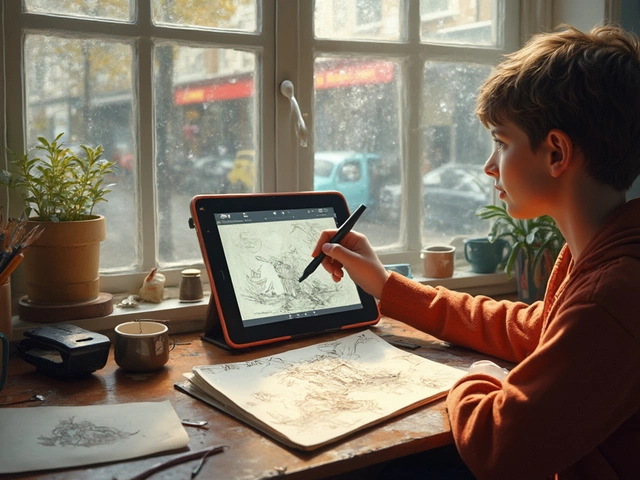
When you're searching for the best tablet for digital art, a portable device designed for drawing, painting, and illustration with stylus precision. Also known as a digital drawing tablet, it’s not just about screen size or price—it’s about how well it works with your workflow, hand, and creative rhythm. Many artists start by assuming the most expensive option is the best, but that’s not always true. A tablet that feels natural in your hand, responds instantly to your strokes, and runs the apps you need matters more than brand names or specs on a box.
The iPad Pro, a high-performance tablet optimized for creative apps like Procreate dominates the market for beginners and pros alike, thanks to its pressure-sensitive Apple Pencil and smooth display. But it’s not the only player. The Wacom Cintiq, a professional-grade drawing tablet with a built-in screen and direct pen-to-surface interaction gives artists a more traditional studio feel, especially if they’re used to working on paper. Then there’s the Huion Kamvas, a budget-friendly alternative with solid pen accuracy and color reproduction, which has become a favorite among students and indie creators. Each of these devices supports different apps—Procreate, Clip Studio Paint, Adobe Fresco—and your choice should match the software you already use or plan to learn.
What makes one tablet better than another isn’t just the screen resolution or battery life. It’s how the pen feels when you draw a line—does it lag? Does it skip? Does it mimic the drag of a real brush or pencil? Artists who switch from traditional media to digital often struggle with the disconnect between hand and screen. The best tablets reduce that gap. They’re built for artists who care about texture, layering, and flow, not just pixels. And in 2025, the line between tablet and workstation is fading fast. Many now support external keyboards, cloud storage, and even full desktop apps, making them viable for everything from quick sketches to final illustrations.
You’ll find reviews that claim one device is "the ultimate"—but the truth is, the best tablet for digital art is the one you’ll actually use every day. If you’re just starting out, you don’t need a $2,000 machine. If you’re selling prints or working with galleries, you might need the color accuracy of a Wacom. And if you’re always on the move, portability beats power every time. Below, you’ll find real comparisons, user experiences, and breakdowns of what works for different kinds of artists—from hobbyists painting in cafes to professionals creating for major clients. No fluff. Just what matters when you’re trying to turn ideas into art.
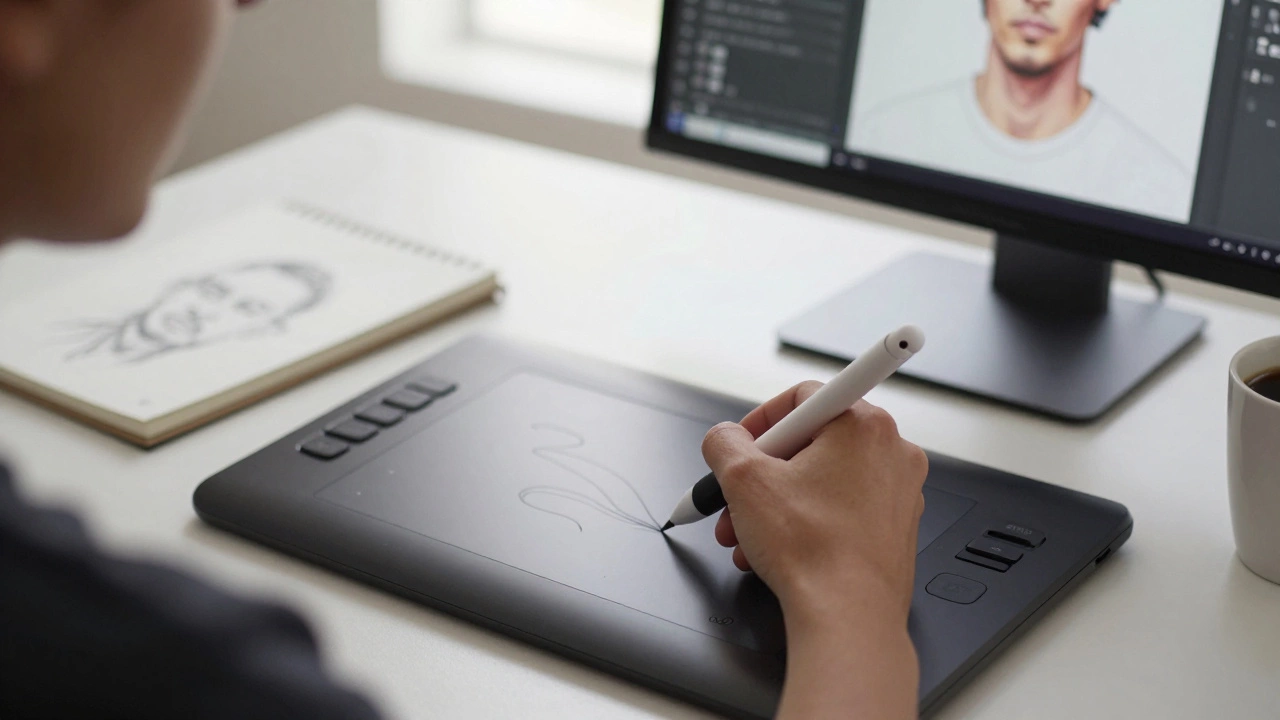
You don't need a tablet to make digital art-but if you want to draw with control, speed, and natural feel, one makes all the difference. Here's what to buy and when.