Dec 1, 2025
What Is the Biggest Art Trend Right Now? AI-Generated Art Takes Center Stage
When you think of the best music app, a digital platform designed to stream, organize, and discover audio content. Also known as music streaming service, it isn’t just background noise—it’s a tool that fuels focus, emotion, and even creative work. Artists, students, and makers use it to set the mood for painting, sculpting, or sketching. The right app doesn’t just play songs—it helps you enter a flow state where ideas take shape.
Behind every great music class 8, a structured school curriculum introducing music theory, rhythm, and listening skills is the same principle that guides digital artists: learning by doing. Whether you’re learning scales or layering brushstrokes, repetition and pattern matter. Many of the artists featured here use music apps to build playlists that match their workflow—calm instrumentals for detail work, rhythmic beats for bold strokes. And it’s not just about personal taste. Research shows that certain frequencies and tempos can improve hand-eye coordination, which directly impacts brush control in painting. That’s why some digital artists sync their tablet sessions with lo-fi playlists or ambient soundscapes.
The digital art, art created using digital technology as a primary tool for creation and display tools you use—like iPads or Wacom tablets—often rely on the same apps that musicians use. Bluetooth headphones, audio feedback loops, and even voice commands are part of the modern creative workflow. If you’re editing your artwork while listening to a curated album, you’re already blending two worlds. The best music apps don’t just store songs—they help you organize your creative rhythm. And that rhythm? It’s the same one that turns a simple apple into a study of light, or a landscape into a story with depth.
You’ll find posts here that connect sound to sight: how music class 8 teaches structure that mirrors composition rules in painting, how digital artists use audio cues to time their brush movements, and why some of the most successful print sellers listen to specific genres while packaging their work. This isn’t about picking the most popular app—it’s about finding the one that helps you create better art. Below, you’ll see real examples of how artists pair sound with studio time, what tools they rely on, and how listening habits shape their final pieces.
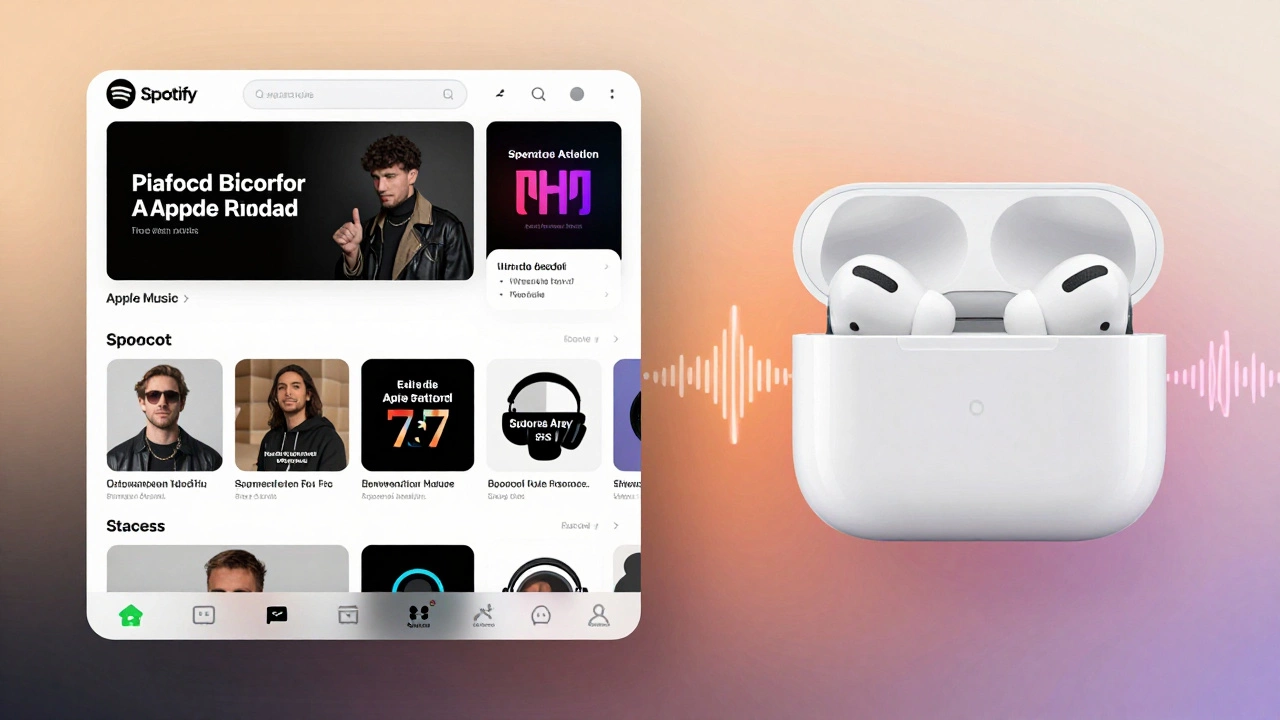
Spotify remains popular in 2026, but Apple Music, YouTube Music, and Tidal now offer better sound quality, device integration, and artist payouts. Is it still the best? Probably not.
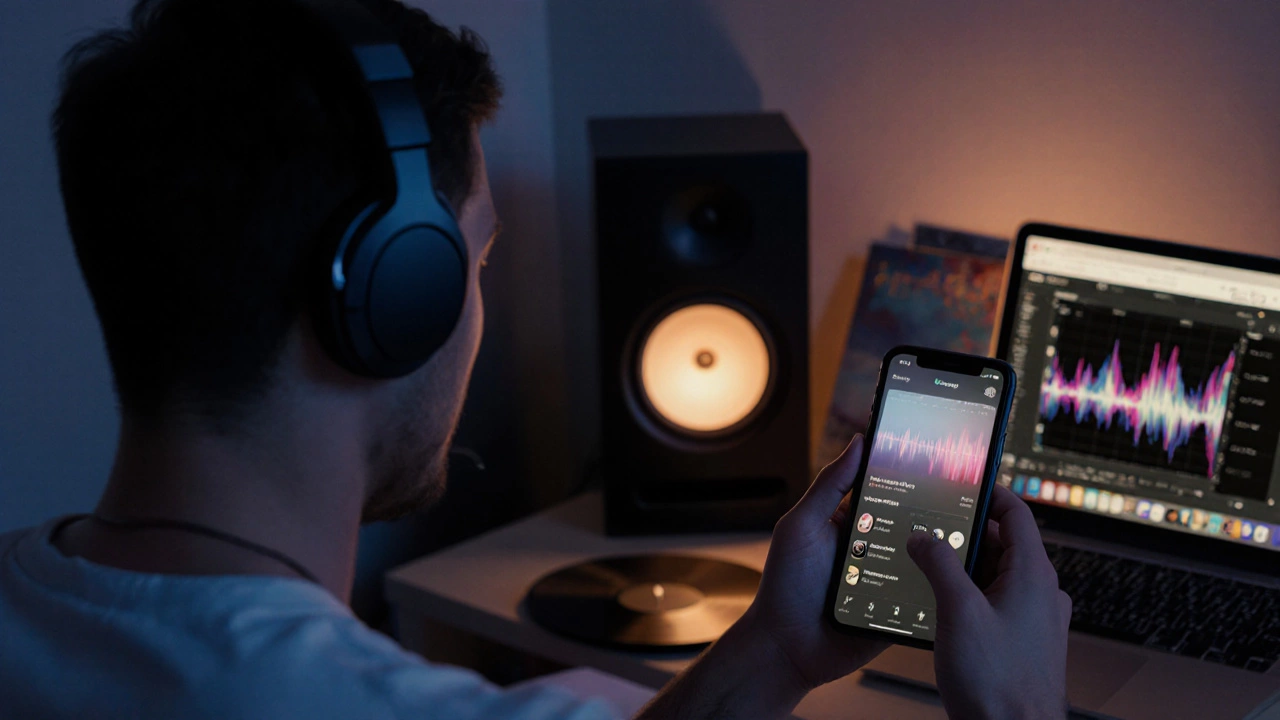
Spotify and Apple Music both offer millions of songs, but in 2025, the real difference is in sound quality, integration, and discovery. Here’s how they compare-and which one you should pick.