Mar 1, 2026
What Are the Criteria for Fine Art Photography?
When we talk about AI in art, the use of artificial intelligence to assist, generate, or influence artistic creation. Also known as machine learning art, it’s not just about robots painting—they’re learning from millions of images to understand style, composition, and emotion. This isn’t replacing artists. It’s giving them new brushes.
Artists today use AI tools for artists, software like Midjourney, DALL·E, and Stable Diffusion that turn text prompts into visual art to brainstorm ideas, generate textures, or even finish pieces they started by hand. These tools don’t think—they analyze patterns. But when a painter uses them to explore color combinations they’d never try, or a designer generates 50 versions of a logo in minutes, that’s where the real power lies. Digital art, art created using digital technology, often as the primary medium has been around for decades, but AI added a layer of automation that changes the game. It’s not about whether AI can be creative—it’s about how humans use it to stretch their own creativity further.
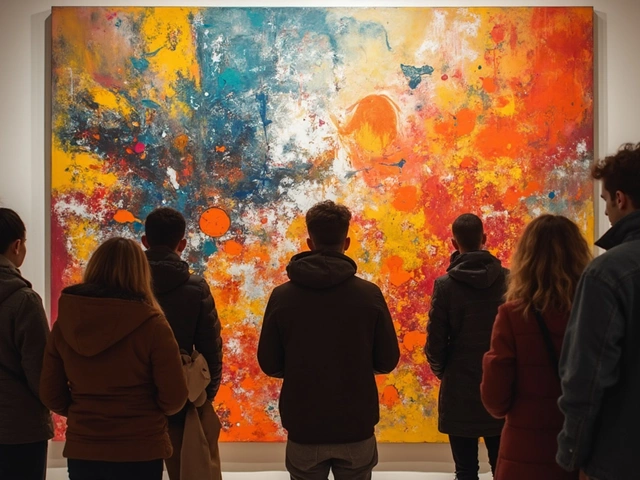
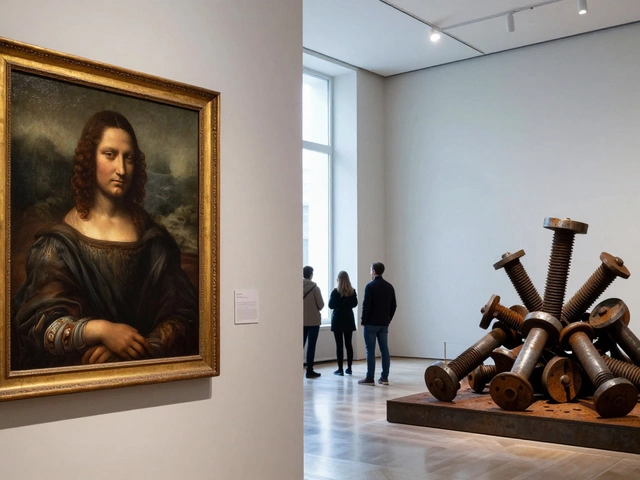
Some galleries now display AI-generated pieces alongside traditional oil paintings. Museums are asking: Who owns the art—the person who typed the prompt, the programmer who built the model, or the dataset of dead artists whose work trained it? These aren’t just legal questions. They’re creative ones. And if you’ve ever wondered if your sketch could become a full painting with a few clicks, or if your style can be copied by a machine, you’re already in the middle of this shift.
The posts below show what this looks like in practice. You’ll find real examples of artists using AI alongside traditional tools, debates about whether digital work counts as "real" art, and guides on the apps people actually use to make it happen. Whether you’re curious about AI as a helper, a threat, or just a new toy, these articles cut through the noise and show you what’s working right now.

AI-generated art is the biggest trend in contemporary art in 2025, transforming how art is made, sold, and experienced. Artists are using AI not as a shortcut, but as a collaborator - blending technology with human intention to create powerful new work.