May 13, 2025
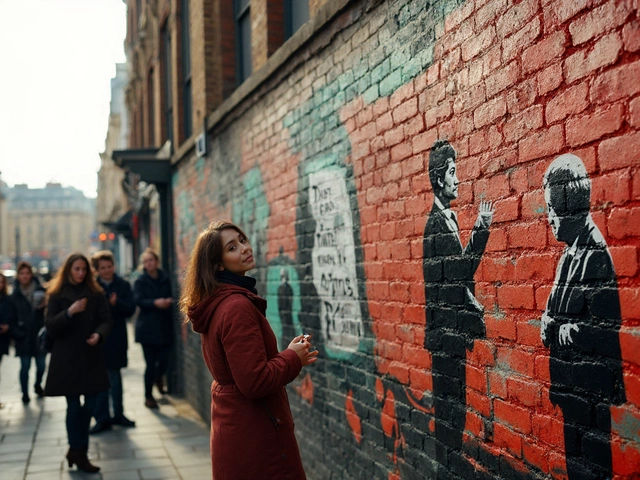
Contemporary Art Example: Banksy and the Power of Street Art
When we talk about 3D art, three-dimensional creative work that occupies physical or digital space. Also known as sculptural art, it includes everything from clay figurines to digital models you can rotate on screen. Unlike paintings or drawings that trick your eyes into seeing depth, 3D art actually has height, width, and depth—you can walk around it, touch it, and see it from every angle.
Most people think of sculpture, the traditional form of 3D art made from stone, wood, or metal when they hear the word. But today, digital sculpture, 3D art created using software like ZBrush or Blender is just as common. Artists use tablets, 3D printers, and virtual reality to shape clay-like pixels into lifelike figures, abstract forms, or even entire fantasy worlds. The tools have changed, but the goal hasn’t: to create something that exists in space, not just on a flat surface.
What makes 3D art different isn’t just the shape—it’s the process. You don’t just apply color; you build volume. You think about weight, balance, and how light hits curves and edges. Whether you’re carving a block of limestone or sculpting a dragon in a program, you’re solving problems in three dimensions. That’s why many artists start with simple shapes—a sphere, a cube, a cylinder—before adding detail. It’s the same principle whether you’re using a chisel or a mouse.
Some of the most powerful 3D art comes from combining materials. Think of a wooden base with metal wire sticking out, or a resin figure painted with acrylics. Others use found objects—old tools, broken toys, driftwood—to build something unexpected. And then there’s the digital side: artists who never touch clay but still make art that feels real because of how the light wraps around it, how shadows pool in the creases.
In Pembrokeshire, where the coast inspires so much of the local art, you’ll find 3D pieces that echo the waves, the rocks, the birds in flight. Some artists work outdoors, shaping clay under the wind. Others set up studios in converted barns, printing plastic forms that later become public installations. This isn’t just technique—it’s a way of seeing the world as something you can hold, turn, and explore.
Below, you’ll find guides that show you how to start, what tools to use, how to turn your ideas into real objects, and even how to get your work seen in exhibitions. Whether you’re holding a lump of clay for the first time or trying to figure out your first 3D model, there’s something here that will help you make the next step.
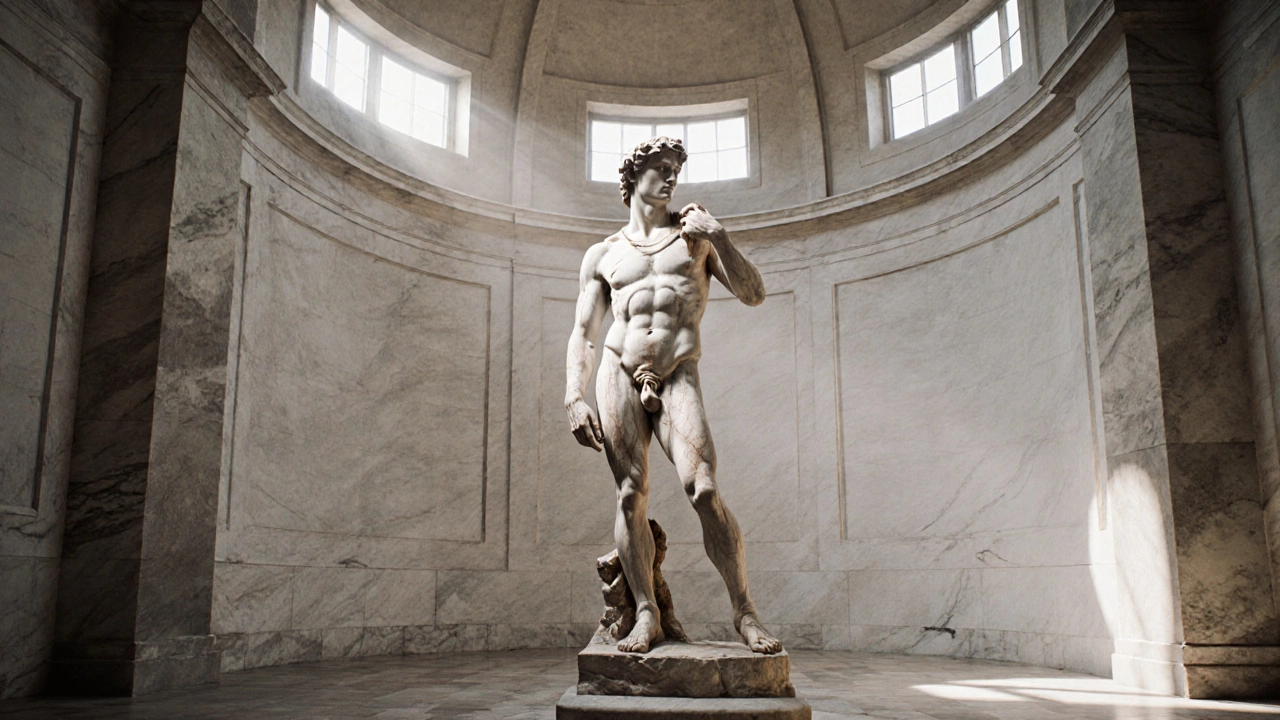
Discover iconic examples of sculpture art from Michelangelo's David to modern installations like Cloud Gate. Learn what makes sculpture unique and how it connects us across time and culture.