Contemporary Art Decoder
Confused by a pile of bricks or a video loop? Use this decoder to uncover the underlying principles of contemporary art. Answer the questions below based on what you see (or imagine seeing) to reveal the likely artistic intent.
Step 1: Analyze the Piece
Step 2: The Verdict
Answer the questions to reveal
the artistic principles at play.
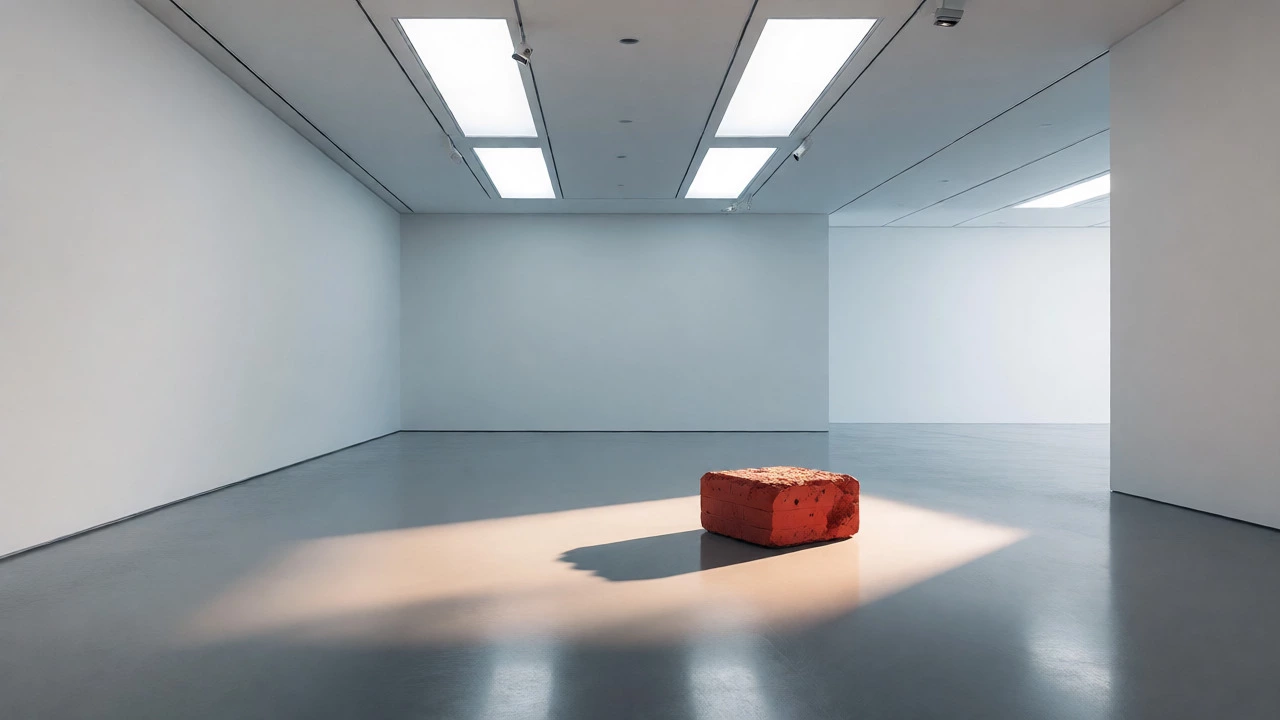
You walk into a gallery, see a pile of bricks on the floor or a video loop of someone sleeping, and think: "Is this really art?" You're not alone. That confusion is actually part of the point. Contemporary art isn't about pretty pictures anymore; it's about ideas, context, and breaking rules. If you want to understand what makes contemporary art tick, you need to look past aesthetics and dig into the underlying principles that drive artists today.
The Shift from Beauty to Ideas
For centuries, art was judged by technical skill and beauty. Then came the mid-20th century, and everything changed. The core principle of contemporary art is often summarized as the shift from retinal pleasure (what looks good) to conceptual depth (what means something). This doesn't mean skill died out; it just stopped being the only thing that mattered.
Think about Marcel Duchamp’s *Fountain* in 1917. He took a urinal, signed it, and called it art. Why? Because he challenged the definition of art itself. Today, artists like Damien Hirst or Ai Weiwei follow this lineage. They prioritize the concept over the craft. If an artist can explain why their work matters more than how they made it, they’re playing by contemporary rules.
| Feature | Traditional Art | Contemporary Art |
|---|---|---|
| Primary Goal | Aesthetic beauty, realism | Idea, critique, experience |
| Medium | Oil, canvas, marble | Anything (digital, found objects, body) |
| Viewer Role | Passive observer | Active participant/interpreter |
| Context | Universal themes | Specific cultural/political moment |
Conceptualism: The Idea Is the Art
If there’s one pillar holding up contemporary art, it’s Conceptualism. This principle states that the idea behind the work is more important than the finished object. Sol LeWitt, a key figure in this movement, famously said, "The idea becomes a machine that makes the art." In practice, this means the instructions for a piece might be more valuable than the piece itself.
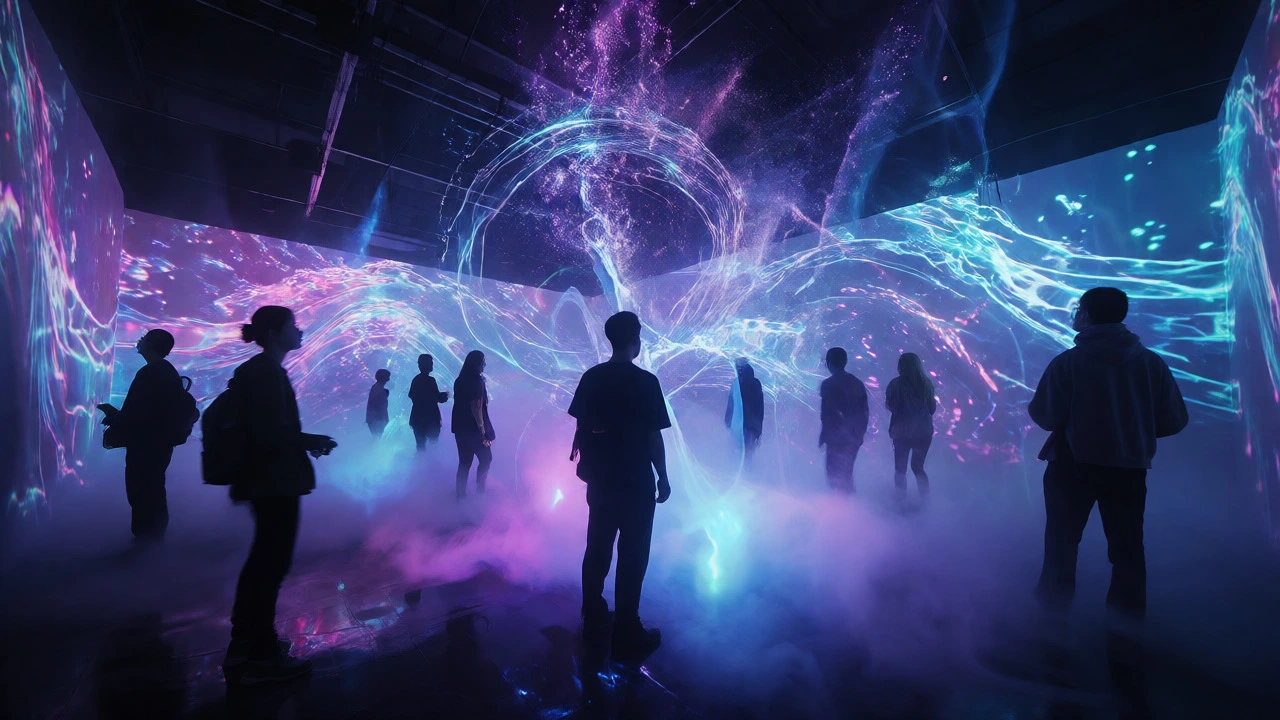
Why does this matter to you? It changes how you view a museum visit. You aren't just looking at paint strokes; you're decoding a message. For example, if an artist displays a room filled with fog, the physical material is negligible. The impact comes from how the fog alters your perception of space. The principle here is dematerialization-the artwork exists primarily in the mind of the viewer.
Interdisciplinary Boundaries Are Blurring
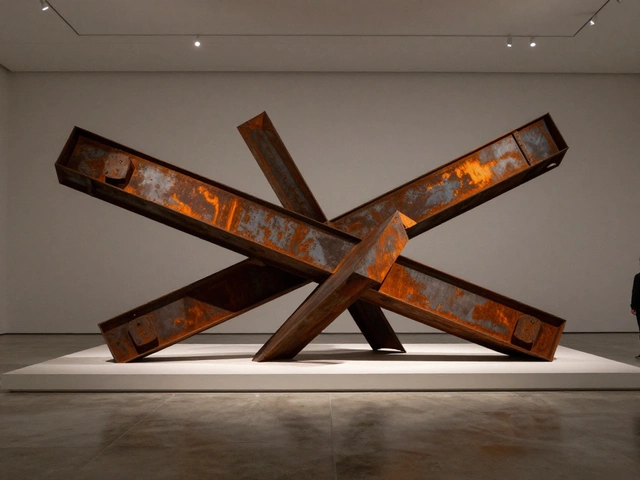
Contemporary art refuses to stay in its lane. One major principle is hybridity-mixing disciplines until you can’t tell where art ends and science, technology, or politics begins. We see this in Installation Art, which turns entire rooms into immersive environments rather than single objects.
Consider teamLab, a digital art collective in Japan. Their works combine coding, projection mapping, and traditional Japanese aesthetics. Or look at Olafur Eliasson, who uses light and water to create sensory experiences that feel scientific yet deeply emotional. The principle here is integration. Artists borrow tools from other fields because the problems they want to address are complex and multi-layered.
- Digital Integration: Using VR and AI to expand visual possibilities.
- Social Practice: Making art through community engagement, not just objects.
- Bio-Art: Using living tissues or bacteria as medium.
Context Is Everything
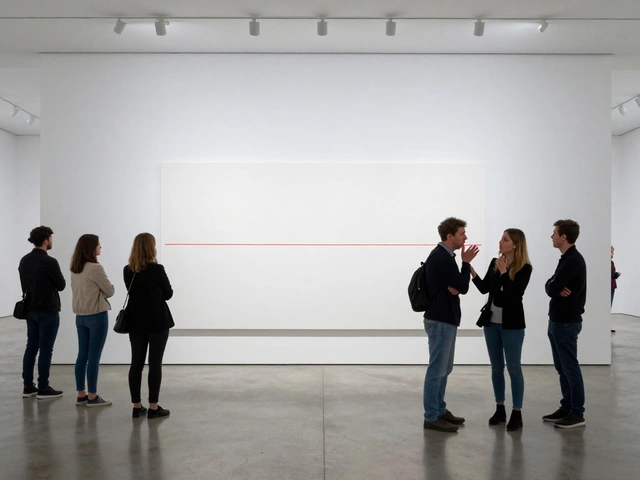
You cannot separate contemporary art from its environment. A blank white canvas hung in a bathroom is different from the same canvas hung in the Tate Modern. Context dictates meaning. This principle relies heavily on institutional critique-questioning who gets to decide what is art and why.
Take Banksy. His street art gains value not just from the image but from its location and the act of placing it there without permission. When his piece *Girl with Balloon* self-destructed at auction, the context shifted from "painting" to "performance." The principle suggests that the setting, the history of the site, and the current political climate are all part of the artwork.
Participation Over Observation
Old art asked you to stand back. Contemporary art often asks you to step in. Relational aesthetics, a term coined by Nicolas Bourriaud, describes art that takes human relations and social context as its starting point. The artwork is the interaction itself.
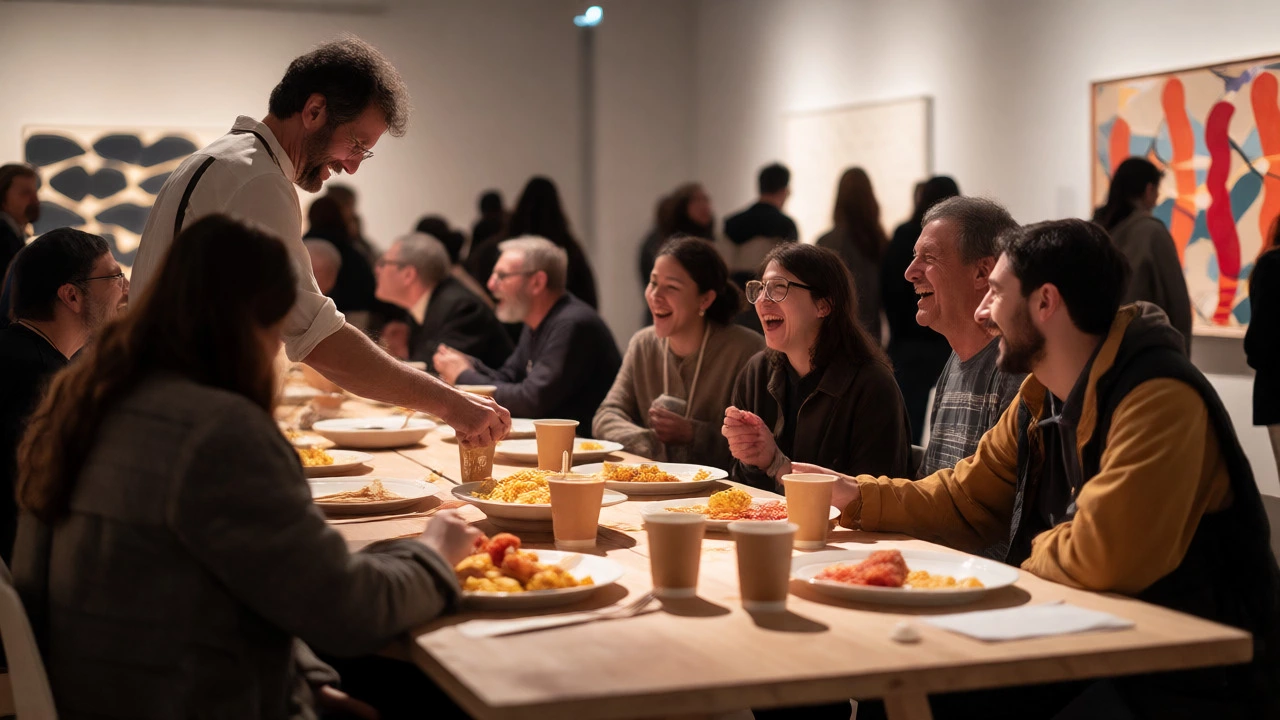
Rirkrit Tiravanija is a prime example. He cooks curry in the gallery and invites visitors to eat. The art isn't the food; it’s the conversation and connection that happen while eating. This shifts the power dynamic. You aren't a passive consumer; you’re a co-creator. If you don’t engage, the art feels incomplete. This principle challenges the elitism of traditional galleries, making art accessible and democratic.
Global Voices, Local Stories
Contemporary art is no longer dominated solely by Western Europe and North America. A crucial principle now is decentralization. Artists from Africa, Asia, Latin America, and Indigenous communities are reshaping the global narrative. They bring local histories and materials to international stages, challenging the universalist claims of old masters.
Consider Yinka Shonibare, who uses Dutch wax fabric-a symbol of African identity that actually has Indonesian and European roots-to explore colonialism. Or consider Kara Walker, whose silhouettes confront the brutal history of slavery in America. These artists use specific, local stories to speak to global issues. The principle here is specificity: the more personal and localized the story, the more universally resonant it becomes.
How to Spot These Principles in Action
Next time you’re at a gallery or scrolling through Instagram art feeds, try this checklist. It helps cut through the pretension and find the actual intent.
- Ask "Why?": Does the artist have a clear reason for choosing this material? If yes, it’s likely conceptual.
- Check the Context: Where is it displayed? How does the location change the meaning?
- Look for Interaction: Are you invited to touch, move, or participate?
- Identify the Medium: Is it traditional (oil/paint) or mixed (tech/found objects)? Mixed media usually signals interdisciplinary intent.
What is the difference between modern and contemporary art?
Modern art generally refers to the period from the 1860s to the 1970s, focusing on abstraction and formal innovation. Contemporary art refers to art produced from the late 20th century to the present. While modern art broke away from tradition, contemporary art breaks away from the very definition of art, focusing on ideas, globalization, and diverse identities.
Why do some people say contemporary art is 'lazy'?
Critics often mistake conceptual simplicity for lack of effort. However, the 'work' in contemporary art is often intellectual and logistical. Creating an installation like those by Christo and Jeanne-Claude required years of planning and engineering, even if the final visual result looked simple. The value lies in the execution of the idea, not just manual dexterity.
Do I need an art degree to understand contemporary art?
No. Most contemporary artists want their work to be accessible. Start by reading the wall label-it usually explains the artist's intent. Then trust your gut. If it provokes a thought or emotion, it’s working. Art is a dialogue, not a test you pass or fail.
What role does technology play in contemporary art principles?
Technology is both a tool and a subject. Artists use digital platforms, AI, and virtual reality to expand how we perceive space and time. Furthermore, the internet has democratized distribution, allowing artists to bypass traditional gatekeepers like galleries and museums, aligning with the principle of decentralization.
Is political activism a requirement for contemporary art?
Not a requirement, but a common feature. Many contemporary artists address social justice, climate change, and identity politics. However, purely aesthetic or abstract works still exist. The key is whether the work engages with the current moment, whether that engagement is political, philosophical, or personal.